Today, we intend to summarize our two-month stay in Thailand and share our experiences regarding what went well and what was less ideal.

For those who haven’t read our previous posts, here is a quick recap of our trip: our flight from Sweden landed in Bangkok, where we spent a few days before traveling on to Koh Phangan, Koh Samui, Khao Sok, and finally Chiang Mai, with shorter stops in Surat Thani and Chiang Rai. Our various destinations offered a mix of city and beaches, bustling and quiet areas, a wide or limited selection of restaurants and shops, and both the north and the south. We deliberately avoided one side of the country due to the timing of the rainy seasons.
We want to emphasize that these are our personal experiences and opinions.
Let’s start with the positives. Thailand’s strengths include:
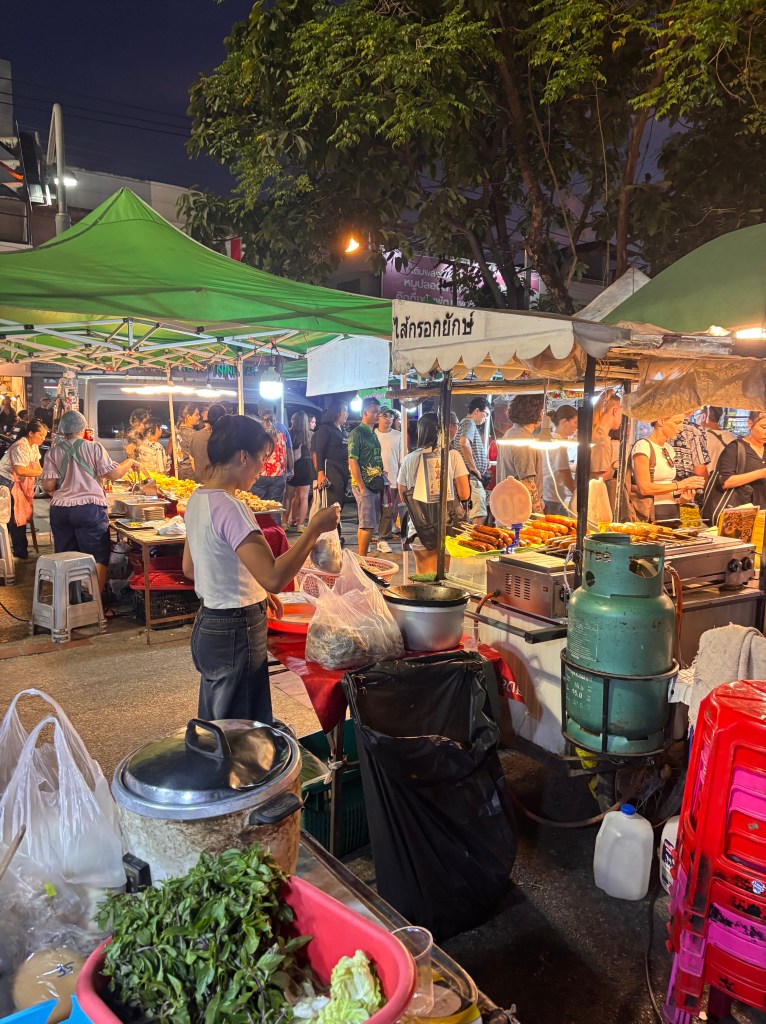
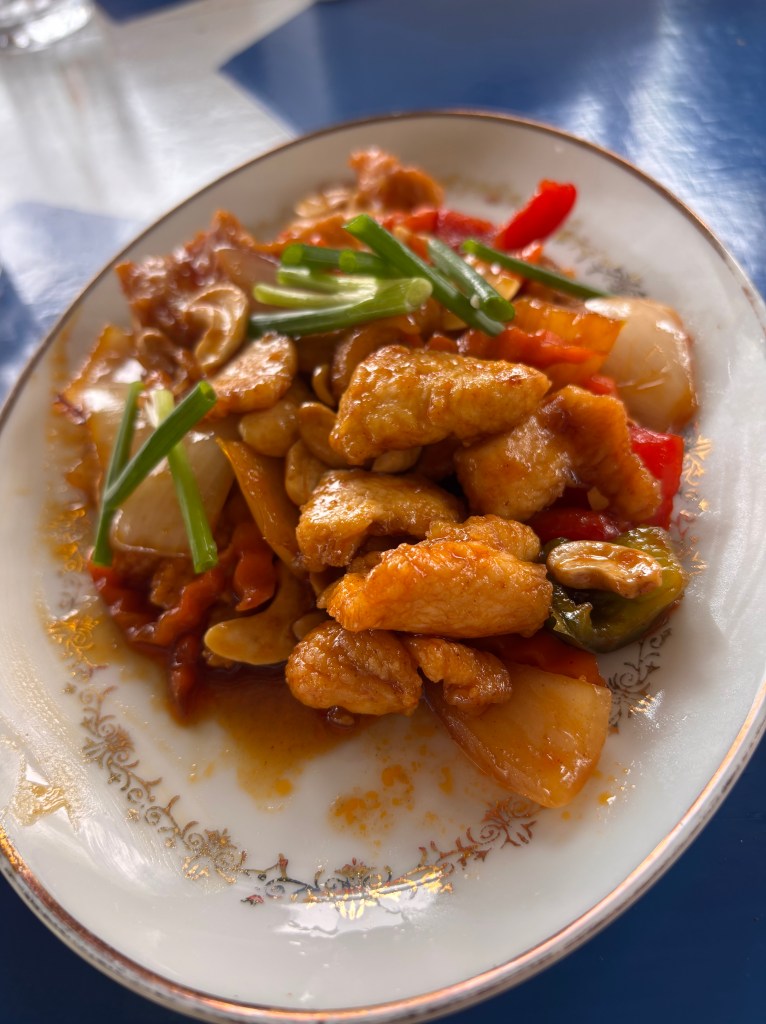
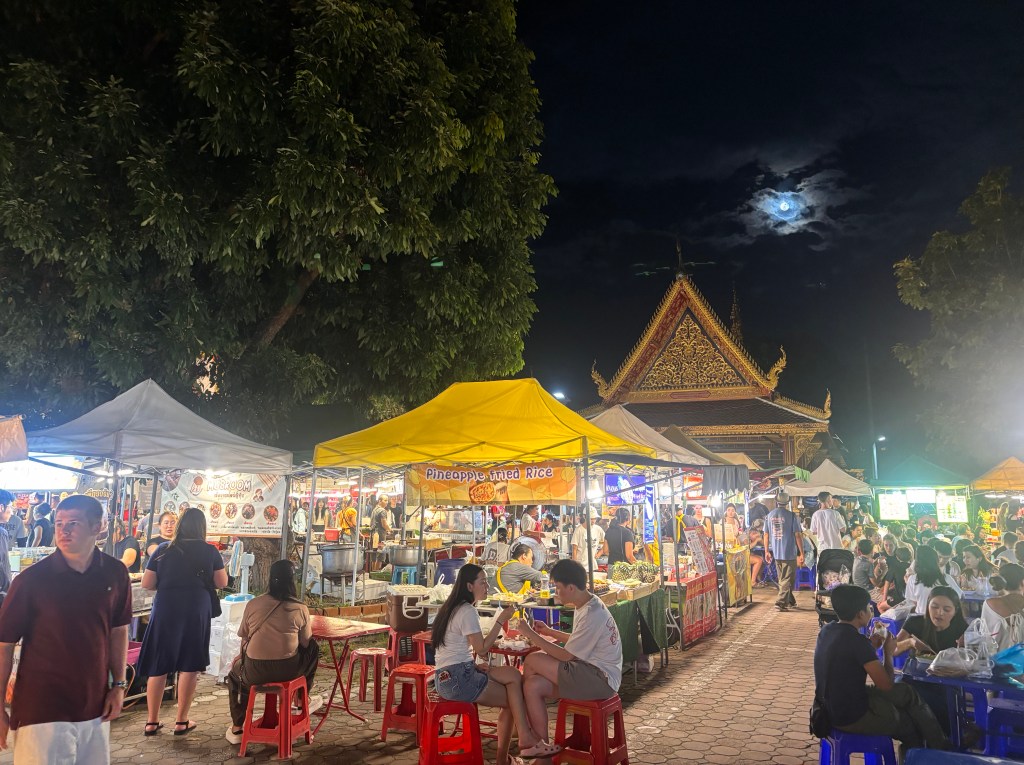
- The food is fantastic—once you’ve learned what to order (and what not to). Local restaurants and markets have provided delicious, affordable meals from day one, and neither of us has gotten sick from the food. Before the trip, we were warned that you’re bound to get sick from the food in Thailand; however, we suspect this primarily applies to Western-style food, which tends to have a much lower turnover than local dishes. We also received a cholera vaccine before the trip, which may have helped keep our stomachs in good shape.
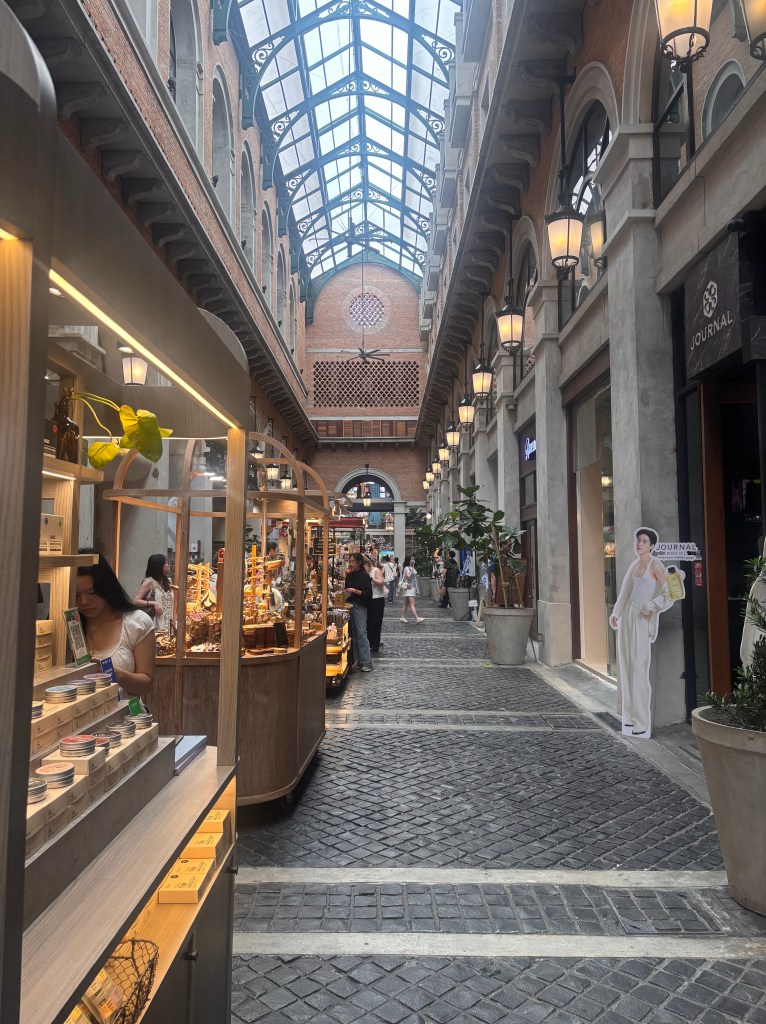
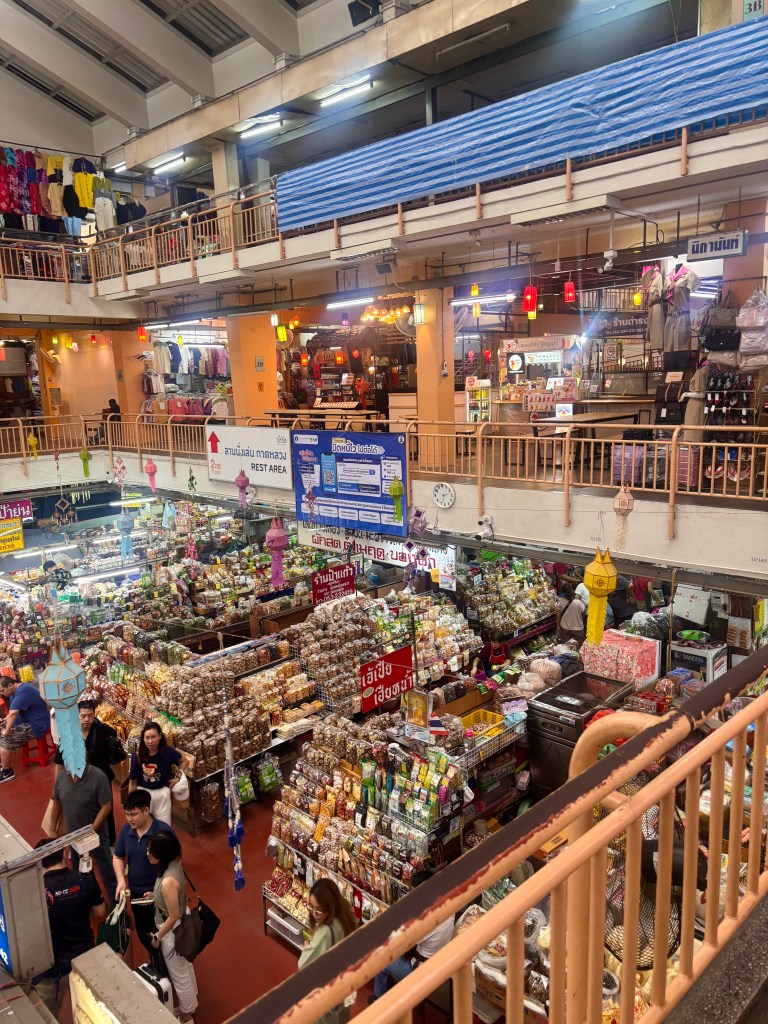
- In larger towns, the selection of goods and services exceeds our expectations. Almost anything you might need is usually within walking distance. If you need to make a major shopping trip, a GRAB is typically just five minutes away and can take you there for a very low cost. The cities have large shopping malls where we’ve found and purchased electronics (mobile phones and microphones) for half the price they cost in Sweden.
- The local people are friendly and helpful—at least the ones we’ve met! 🙂 Most have a smile on their faces and have been eager to assist us whenever we’ve found ourselves confused or lost as tourists.
- Transportation—both taxis and domestic flights—is significantly cheaper than in Sweden. It’s also very easy to get a taxi (at least in larger towns and cities) using apps like GRAB or Bolt. A 20-minute ride cost about 40 SEK (roughly €3.60 or $4)—and that was choosing a slightly more expensive option, as we are a family of five and need a 7-seater vehicle. If you’re a smaller group and can opt for a smaller car, it’s even cheaper.

On the downside:
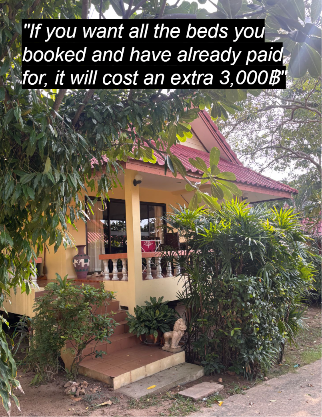
- In more remote areas, prices are unjustifiably high—even though there’s no real reason why things like cooking food or transporting goods there should cost more. In these places, they also try to tack on ”made-up” charges—costs that exist only in their imagination—often enforced through monopoly-like agreements that cause prices to triple or even quadruple. Many accommodations and restaurants in areas with no local competition know that tourists are generally a bit lazy (and often can’t be bothered to travel further afield for alternatives), and they are quick to take advantage of that.
- It’s too humid for us Northerners! We hardly can’t move around outdoors between 11 a.m. and 5 p.m. without ending up drenched in sweat. The heat isn’t the problem—it’s actually pleasant—but the humidity is what causes issues.
- Communication has often been difficult due to language barriers. Not many people in Thailand speak English well. Usually, this isn’t a big deal, but when we were trying to buy electronics, for instance, it was hard to get answers to some important questions because of the language gap.
If we were to plan our trip to Thailand again with the knowledge we have now, what would we do differently?
- We would have chosen to stay in a town or city more often, taking day trips to all the beautiful spots we wanted to see. After a few days, we found ourselves getting a bit bored in places where there wasn’t much to do; these beautiful locations often have a limited selection of restaurants and entertainment. We also would have adjusted the length of our stays based on the range of available activities, to minimize the risk of boredom.
- We would have reviewed the accommodations more carefully before booking and asked more questions to the landlords. More than half of the places we stayed at were misrepresented—for example regarding the number of beds, whether the air conditioning actually worked, the number of chairs provided, or what kitchenware was included in a so-called ”fully equipped kitchen.” We’ve learned the hard way that you can’t simply trust someone renting out their property; you have to check every single detail with extreme care.
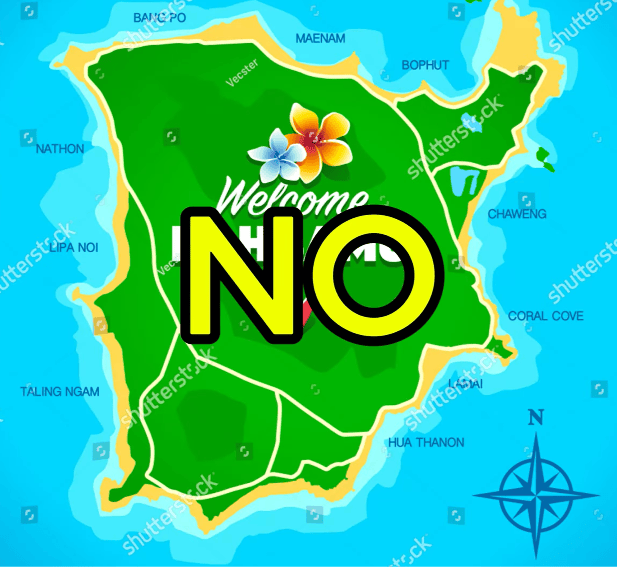
- Looking back, we probably would have skipped Koh Samui entirely. After visiting Koh Phangan, Koh Samui felt underwhelming, and we struggled to see the charm that everyone talks about. We would have preferred to spend a bit more time in, for example, Chiang Rai—which we felt we didn’t get enough of—or perhaps added a stop in Hua Hin, which we had considered but chosen not to visit. That way, we could have traveled from Surat Thani to Bangkok by train or bus (with a break in Hua Hin) and continued on to Chiang Rai more conveniently, avoiding a flight.
In summary, we are very happy with our trip😍
Here are a few tips from us that we feel helped make the experience so great:
- Choose local food; it is both tastier and cheaper than Western-style food. For example, a hamburger in Thailand is nothing like one in Sweden—you will likely be disappointed.
- Walk to your destinations, even if they are far away. We often chose to walk to sights, even those 1–2 hours away; this turned the journey into a full day and allowed us to experience so much along the way. You often end up making many pleasant stops that you would have missed had you taken a taxi.
- Try to go out in the evening rather than during the day. The temperatures are more comfortable, and there is significantly more activity in the evenings.
- Pack light. We each carried a backpack, which made moving between different destinations and accommodations much easier.
- Keep an eye on fees for card payments and ATM withdrawals to avoid unnecessary costs. We chose a bank that charges no currency conversion fees and allows us to withdraw foreign currency—up to a combined total of 12,000 SEK (approximately €1,090 or $1,200) per month—without extra charges. We made all our withdrawals at Krungsri Bank ATMs, as they offered the lowest withdrawal fees and the highest withdrawal limits. We paid about 200 THB for a withdrawal. So we decided to take out the maximum limit of 30,000฿ when we did a withdrawal to lower the percentage of the fee. Before making card payments, we always asked if any additional fees were attached to the transaction. Please note that exchange rates and fees are, of course, only accurate as of the time this was written.

Now we’re going to continue enjoying our trip! We’ll be in touch again soon!
//Sabdreasworld


Lämna ett svar